Are you drawn to the idea of living somewhere with real history, a walkable center, and homes that feel distinct from one another? Kinderhook offers that kind of setting, but buying here means looking beyond curb appeal alone. If you are considering a move to this Columbia County village, understanding the lifestyle, housing mix, and historic district rules can help you make a smarter decision. Let’s dive in.
Why Kinderhook Feels Different
Kinderhook is not built around a typical Main Street. Its center is organized around a historic Village Square, with a compact downtown that includes tree-lined pedestrian streets, parks, retail and food businesses, galleries, the library, the Columbia County Historical Society, and a farmers' market in the core.
That layout gives the village a more connected feel than many car-oriented communities. State and village planning documents describe the center as an active business and recreational area with walking and bicycling routes, not a historic area that is simply preserved for show.
For many buyers, that is the appeal. You are not just buying a house. You are buying into a village setting where daily life can include walking to the square, spending time in public gathering spaces, and enjoying access to local trails and community destinations.
Walkability and Trail Access
One of Kinderhook’s strongest lifestyle features is how easy it is to move through the village core on foot or by bike. The village plan describes a two-thirds-of-a-square-mile center connected by walking and bicycling routes, and the Albany-Hudson Electric Trail begins at Rothermel Park in Kinderhook.
That kind of access matters if you want more than a private home site. It supports a lifestyle built around the village itself, with recreation and day-to-day outings tied to the surrounding streets, parks, and public spaces.
Recent revitalization efforts also reinforce that direction. Public investment has focused on accessibility, sidewalks, storefront activity, and gathering space, which suggests the village center is continuing to evolve in a way that supports everyday use.
What Housing Looks Like in Kinderhook
If you are expecting rows of similar homes or a large subdivision pattern, Kinderhook may feel very different. The village plan describes the core as an eclectic mix of low-density 19th-century residential, commercial, municipal, nonprofit, recreational, and mixed-use buildings.
In plain terms, the housing stock is varied and highly property-specific. A local housing estimate placed Kinderhook at about 656 housing units in 2021, which helps explain why buyers here often need to evaluate each opportunity on its own merits rather than rely on broad neighborhood uniformity.
That smaller scale can be a real advantage if you value individuality. It can also mean less predictability in layout, updates, lot use, and long-term maintenance needs from one property to the next.
Historic Home Styles You May See
Kinderhook’s preservation handbook says the village has retained a traditional small-village atmosphere, with homes representing nearly every style and period of residential construction. Styles specifically noted include Dutch, Federal, Greek Revival, Italianate, Second Empire, along with more modest homes built over the past century.
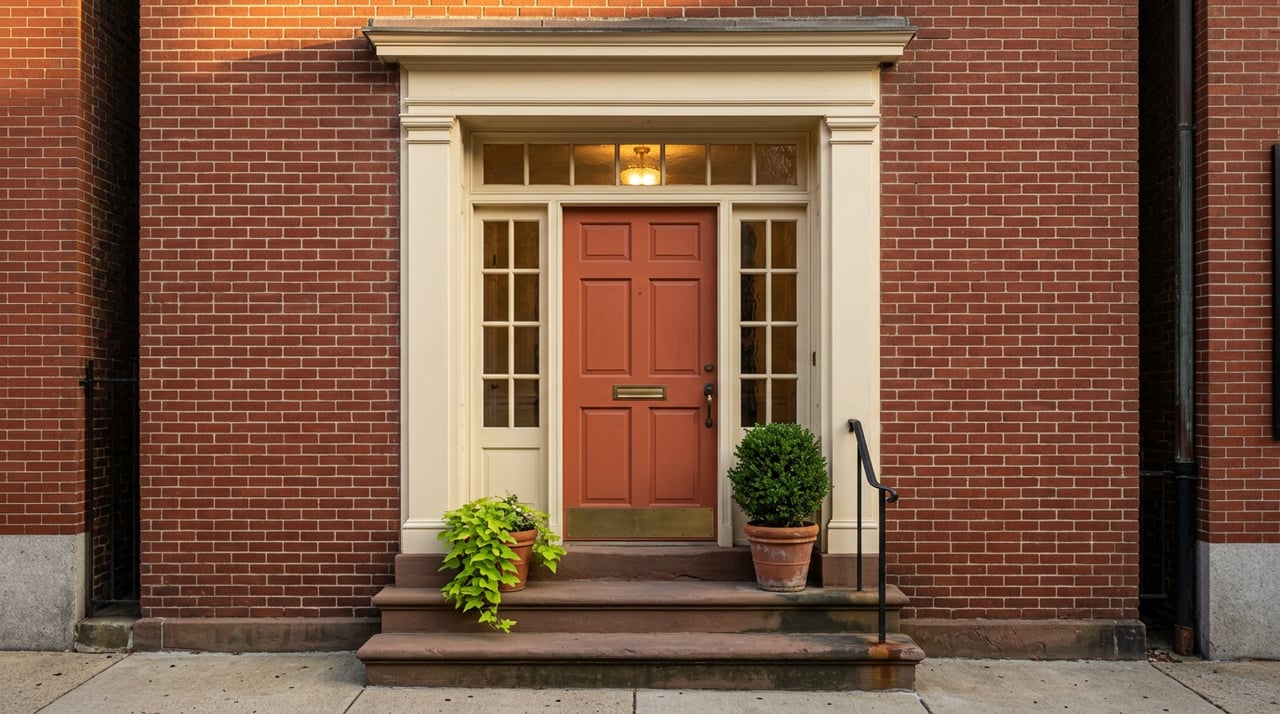
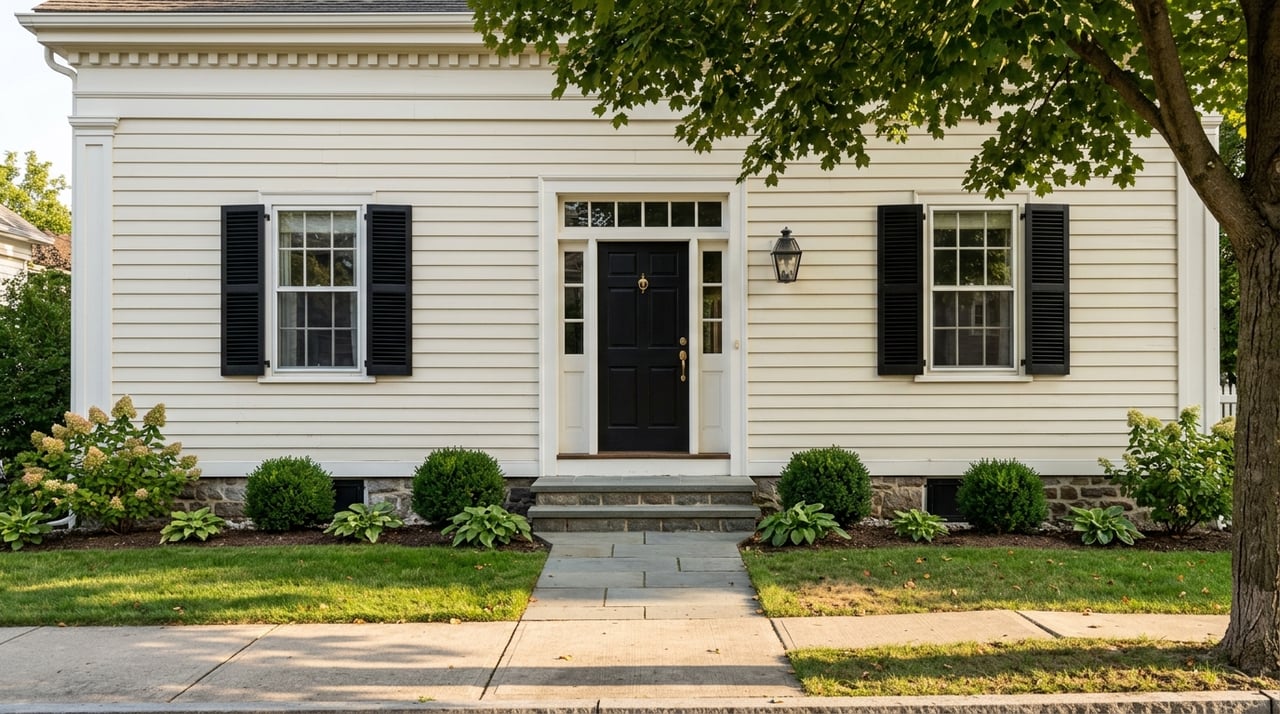
Federal homes are especially prominent in the village. The handbook notes that more historic homes in Kinderhook are Federal than any other type, and common features can include symmetry, center-hall plans, ornamented door and window surrounds, and details shaped by the period in which the home was built.
Some houses also reflect changes made over time, such as later porches or bay windows. That layered look is part of what gives the village its architectural interest.
A strong local example is the Vanderpoel House, a Federal brick home dating to about 1819 to 1820. With local brick, marble trim, and a fieldstone foundation, it shows the kind of materials and craftsmanship that help define Kinderhook’s historic identity.
Historic Character Comes With Tradeoffs
There is a reason buyers are often drawn to Kinderhook. Historic village homes can offer charm, architectural detail, and a sense of place that is hard to duplicate in newer construction.
At the same time, older homes often work differently than modern layouts. The preservation guidelines describe Federal houses with center-hall plans and early homes with compact arrangements, so if you want wide-open living areas or highly standardized room flow, you may need to think carefully about whether the existing layout fits your needs.
This does not make one type of home better than another. It simply means your comfort level with older design, renovation potential, and ongoing upkeep should be part of your decision from the start.
What the Historic District Means for Buyers
If you are buying in Kinderhook’s historic district, ownership comes with added review on certain exterior work. The village has a Historic Preservation Commission and a historic overlay district, and the preservation handbook says the commission reviews proposed alterations and additions to buildings and structures in the district.
The commission can approve work, approve it with conditions, or disapprove it. Owners are also encouraged to consult the preservation handbook before applying for a building permit.
For buyers, this matters most when you are thinking about exterior changes. Projects involving windows, siding, porches, and additions may receive more scrutiny than they would in a newer area because the guidelines emphasize historic proportions, materials, and exterior features.
How to Think About Renovation
If you love historic homes, Kinderhook can be rewarding. Still, it helps to enter the process with realistic expectations about timing, planning, and flexibility.
A home may be beautiful as-is, or it may need thoughtful updates that fit both your lifestyle and the village framework. If your wish list includes major exterior changes, it is wise to understand the review process early so your plans match what may be feasible.
Inside the home, your priorities matter too. Some buyers are happy to preserve room-by-room layouts and historic details, while others want to explore updates that improve function without losing character.
Who Kinderhook May Suit Best
Kinderhook is often a good fit if you want a walkable village lifestyle, historic character, access to trails, and proximity to cultural programming. Buyers who enjoy distinct architecture and an active village center may find a lot to appreciate here.
It may be less ideal if your top priority is low-maintenance living or maximum freedom to make exterior changes without added review. The same features that make Kinderhook visually special can also require more patience and planning.
That is why fit matters as much as price or square footage. The right home here is often the one that aligns with how you want to live, how much upkeep you are comfortable with, and how you feel about owning property in a regulated historic setting.
Smart Questions to Ask Before You Buy
When you tour homes in Kinderhook, it helps to ask practical questions that go beyond finishes and staging. A thoughtful approach can save you time and help you compare properties more clearly.
Consider questions like these:
- Is the property located within the local historic district?
- What exterior changes have already been made to the home?
- Are there features that may need preservation-minded maintenance?
- Does the current layout fit your daily routine, or would you want changes?
- If changes are important to you, are they interior, exterior, or both?
- Do you want walkability and village access enough to trade off some flexibility?
These questions can help you narrow your search based on lifestyle and long-term comfort, not just first impressions.
Why Local Guidance Matters
In a small village market, every property can present a different mix of opportunity, condition, and constraints. That makes clear guidance especially important if you are balancing lifestyle goals with budget, maintenance expectations, and financing plans.
A buyer looking in Kinderhook may need help thinking through not just what a home is today, but what it can realistically become over time. That is where calm, informed advice can make the process feel much more manageable.
If you are weighing historic character against renovation scope, or walkability against flexibility, a steady local perspective can help you move forward with more confidence. When you are ready to explore Kinderhook and similar Capital Region communities, connect with the CWK Team for practical guidance tailored to your goals.
FAQs
What is village living like in Kinderhook?
- Kinderhook offers a compact historic center organized around a Village Square, with pedestrian streets, parks, local businesses, cultural destinations, and walking and bicycling routes.
What types of homes can buyers find in Kinderhook?
- Buyers can find a varied housing mix that includes historic village houses and some mixed-use properties, with styles such as Dutch, Federal, Greek Revival, Italianate, Second Empire, and other homes built over the past century.
What should buyers know about Kinderhook’s historic district?
- Buyers should know that exterior alterations and additions in the historic district may be reviewed by the village Historic Preservation Commission, especially projects involving features like windows, siding, porches, and additions.
Is Kinderhook a good fit for buyers who want walkability?
- Yes, Kinderhook can be a strong fit if you want a walkable village setting with access to parks, public spaces, and the Albany-Hudson Electric Trail starting at Rothermel Park.
Are Kinderhook homes likely to have older layouts?
- Many historic homes may have traditional layouts such as center-hall plans or more compact room arrangements, so buyers should think carefully about whether the existing floor plan matches their needs.
How small is the Kinderhook housing market?
- A village housing estimate in the NY Forward plan placed Kinderhook at roughly 656 housing units in 2021, which highlights how limited and property-specific the local market can be.